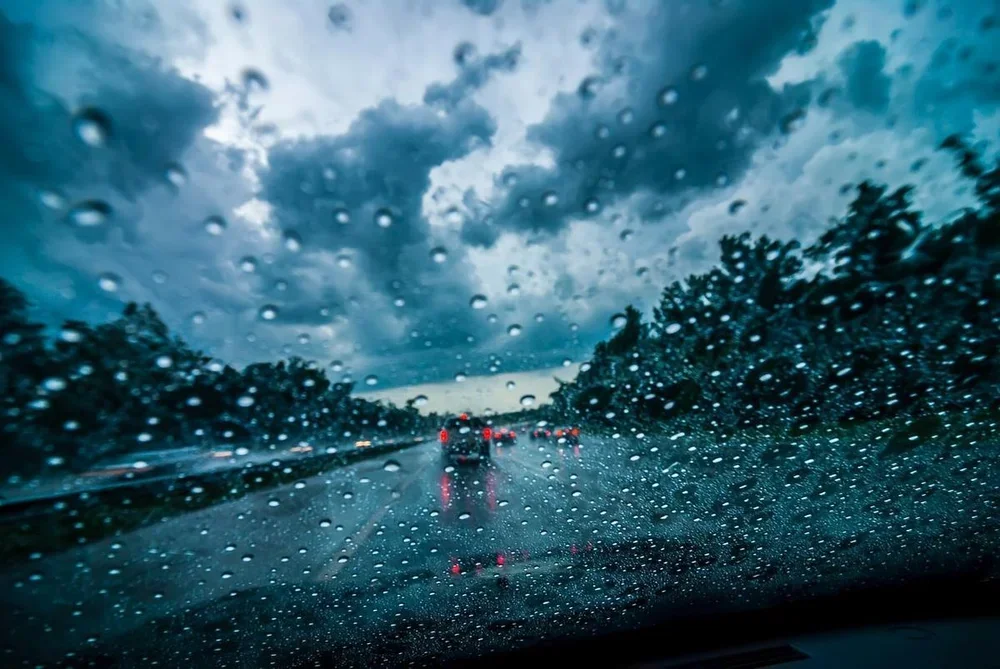

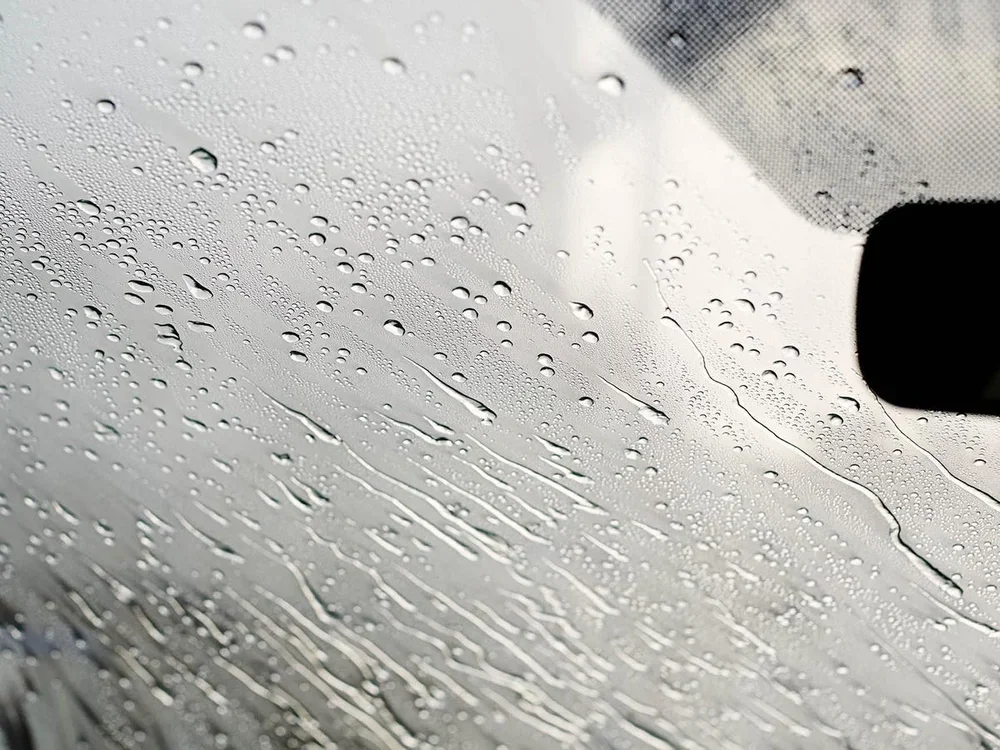
Raindrops on the windshield distort light and reduce the driver’s visual performance. / File

An Atlantic storm is currently sweeping across the Iberian Peninsula, bringing heavy rainfall nationwide. Rain is one of the most impactful weather conditions on driving, and a little-known fact is that the main cause of accidents in wet weather is reduced visibility—not just the risk of skidding on slippery roads. That’s why we’re sharing essential tips to boost your safety behind the wheel during these rainy days.
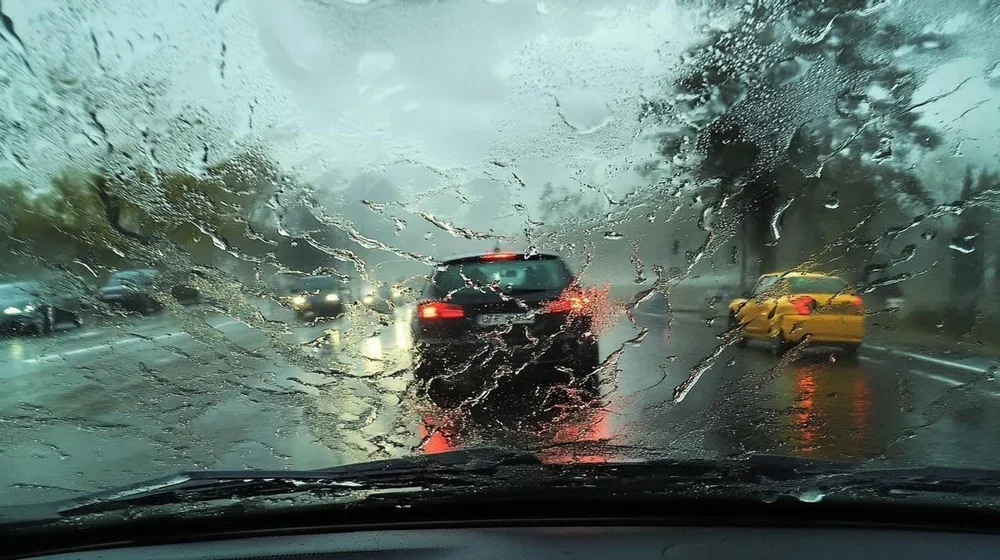
Water droplets on the windshield distort light and impair a driver’s vision. / Carglass
**1. Keep Your Windshield in Good Condition**
According to a study by FESVIAL, 6 out of 10 drivers fail to check whether their windshield provides a clear view, 75% of Spanish drivers admit to driving with worn-out wiper blades, and over 70% don’t replace them as often as recommended. Raindrops on the windshield distort light and reduce visual performance. This effect worsens if the windshield has defects (chips, cracks, scratches) and if the wipers are not in good shape.
**2. Adopt a Proper Visual Strategy**
Reduced visibility due to rain unconsciously makes drivers focus on nearer points on the road, which lowers their ability to anticipate traffic situations and increases mental load. Whenever possible, try to lift your chin and look farther ahead to allow more reaction time for unexpected events, maintaining a wider field of vision.
**3. Watch Nearby Vehicles**
At night or with severely limited visibility during heavy downpours, observing the lights of vehicles ahead helps you know where the road goes. Pay attention to surrounding vehicles, especially trucks and buses, as they can throw up large amounts of water when passing through puddles. If you get a sudden large splash, stay calm—don’t panic from the water impact or from suddenly being “blinded.” Keep your trajectory and avoid slamming on the brakes.
**4. Pull Over to a Safe Spot**
If visibility drops so much that you can no longer drive safely, stop in a secure location to avoid being hit by another vehicle. Until you find such a spot, move forward while alternating your gaze between the road ahead and closer looks to the left and right, seeking the lane markings.
The Leonardo storm is bringing heavy rain and closed roads across the Peninsula. / File
**5. “Read” the Asphalt**
The appearance of the road surface gives many clues about its grip. Look for puddles or streams of water that could cause hydroplaning, and learn to detect traction: a light-colored, glassy-reflective asphalt usually offers less grip than a darker, non-reflective one.
**6. ADAS Systems**
Rain negatively affects the performance of ADAS systems, sometimes also due to dirt on the windshield. Most tests conducted with simulated rain showed that the vehicle crossed lane lines and left its lane.
**7. Windshield Fogs Up Faster**
When it rains, windows tend to fog up more quickly. A dirty interior glass surface fogs up more easily and is harder to clear. This also matters for side windows, which let you see through the exterior mirrors. The most effective method is to set the ventilation to its specific function (directing air toward the windshield), with the air conditioning on and recirculation off.